
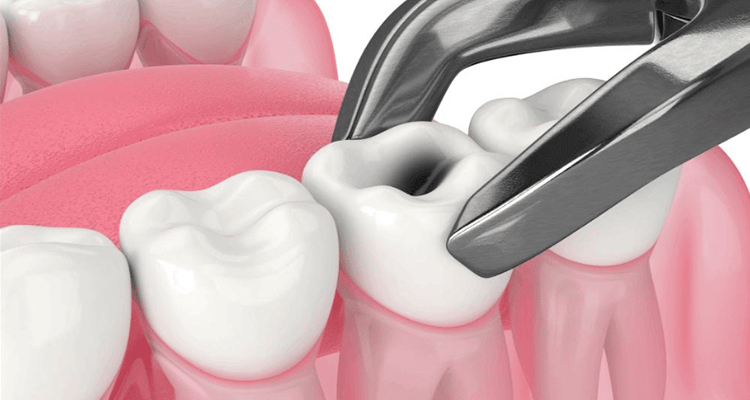
<p>Excessive tooth decay, tooth infection, and crowding can all require a tooth extraction. Those who get braces may need one or two teeth removed to provide room for their other teeth as they shift into place. Additionally, those who are undergoing chemotherapy or are about to have an organ transplant may need compromised teeth removed in order to keep their mouth healthy. Tooth Extraction is performed by our in house oral surgeon Dr Gargi Madiwale and is a relatively quick outpatient procedure with either local, general, intravenous anesthesia, or a combination. Removing visible teeth is a simple extraction. Teeth that are broken, below the surface, or impacted require a more involved procedure.</p>
How to prepare for a Tooth Extraction?
Before scheduling the procedure, your dentist will take an X-ray of your tooth. Be sure to tell your dentist about any medications you take, as well as vitamins, supplements, and over-the-counter drugs.
Tell your dentist if you will soon be treated for another medical condition with an intravenous drug called a bisphosphonate. If so, the extraction should be done before the drug treatment, or your jaw could be at risk for osteonecrosis (bone death).
Also, tell your dentist about any of the following conditions:
Your Dentist may want to make sure all conditions are stable or treated before you undergo the tooth extraction. You might be prescribed antibiotics in the days leading up to the procedure if:
It’s helpful to keep the following in mind for the day of the tooth extraction in order to ensure quality treatment:
What is the recovery period?
It normally takes a few days to recover after a tooth extraction. The following steps help ensure that your recovery goes smoothly.
As you heal over the next few days, you can slowly reintroduce other foods into your diet.