
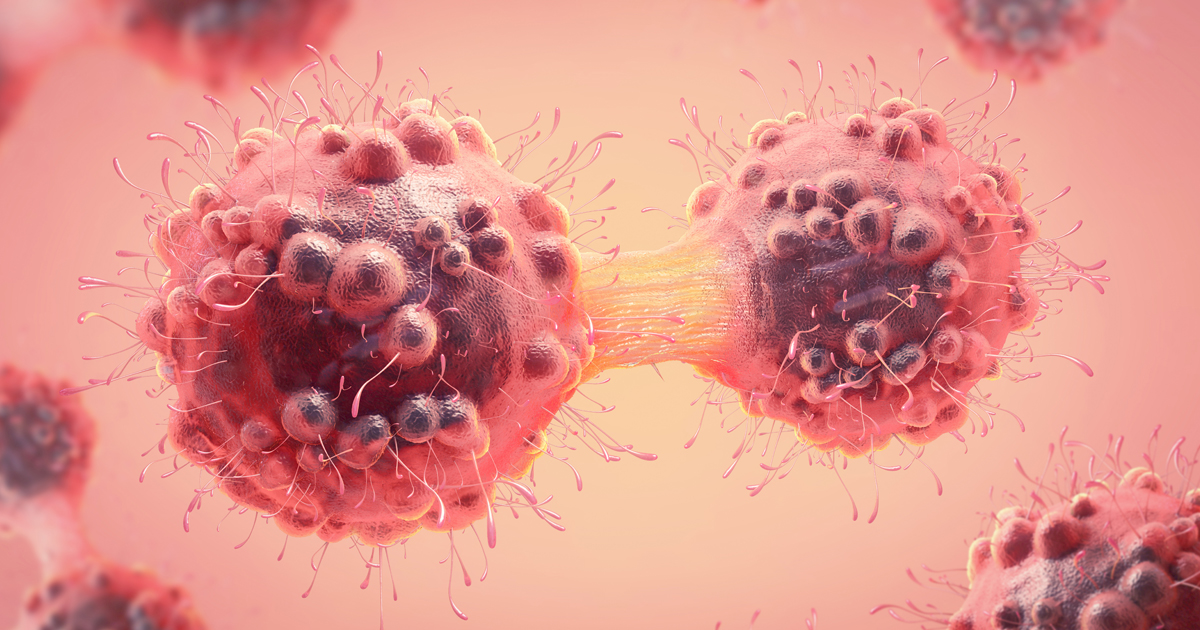
<p><strong>What is Cancer?</strong></p> <p>Cancer is a term that is broadly used to describe a collection of more than a hundred related diseases that lead to the uncontrolled growth of abnormal cells in the affected organs. The human body is made up of a trillion cells, the ‘building blocks of life’ that constitute the basic structural units of any organism. These cells grow and divide to form new ones. When they grow old or get damaged, they die and new cells form in their place. If this pattern gets disrupted due to genetic changes, cancer develops. The old and damaged cells don’t die, while new ones multiply, hence creating an uncontrolled growth of abnormal cells. The continuous division of these cells could form masses of tissue, which become a tumour. These can be benign or cancerous. If benign, the tumour can grow but does not spread. Mostly, this can be removed and may not grow back. If cancerous, the tumour can spread to other parts of the body. This is called metastasis, and endangers life as the cancer could spread to vital organs like the brain, lungs, liver etc. and damage the vital functions necessary to sustain life.</p>
What are the types of Cancer?
Cancers are usually named after the organ in which they first form. Broadly, there are four types of cancers:
Cancers are also classified by the organs that they attack. Here are some examples of these types of cancers.
Cancers that involve tumours are staged in five broad groups, from 0 to 4. The stages are indicative of how advanced the cancer is.
Cancers that are not related to tumour growth follow their own staging system. Such cancers include Blood Cancer and Lymphomas.
Read more about the stages of Cancer:-
It is difficult to determine exactly what causes cancer, but there are some factors that increase the risk of cancer.
Some of these factors like ageing and family history are outside our control. Some of the other factors like exposure to radiation, smoking, tobacco consumption, excessive drinking etc can be controlled to prevent cancer.
Read more about the causes of Cancer:-
The signs and symptoms of cancer vary depending upon which body part or organ that has been affected. Certain common symptoms include:
If these symptoms persist, you will need to consult a doctor. Even in the absence of any such symptoms, if you are concerned about your risk of cancer, you can consult a doctor for screening tests that can help detect cancer.